


Understanding Yefang, Taiwan's Natural Farming Philosophy
Yefang Cha 野放茶 is often used alongside terms like organic, ecological, and wild-grown tea, but they don't all mean the same thing. After years of traveling across Taiwan and meeting...


鳳慶2026高山白茶
We came to this tea through a third-generation Bai minority (白族) family in Fengqing who have been making tea on their own mountains for decades. From cultivation to processing, they keep every step of craftsmanship and production within the family. The family manages extensive forest land with hundreds of wild, uncultivated tea trees, although this tea itself comes from cultivated ancient trees. Better known for reds like Dian Hong and Shai Hong, they only began making bai cha 白茶 (white tea) from their highest-altitude ancient tea trees a few years ago. We call this tea Gao Shan 高山 (high mountain), a term borrowed from Taiwanese wulong, because these trees grow at around 2,300 meters above sea level.
We reserved this 2026 batch a year in advance. It grows in Fengqing district in Lincang from cultivated gushu 古樹 (ancient trees), many of them over 300 years old. Picked in late March, it is simply shade-dried after harvest. This entire harvest is normally pressed into white tea cakes. That's why we asked the family to reserve part of it for us as loose leaves.
Unlike many Yunnan white teas, this one opens with a refined floral aroma that reminds us of an early first flush Darjeeling, while still keeping the sweetness and inner depth we expect from a Yunnan white. The compressed version has become Pink's parents' everyday morning tea, accompanying them daily to their dim sum restaurant in Hong Kong. We recommend this tea to drinkers who want to experience another side of Yunnan bai cha. Actually, we recommend it to everyone. This is a truly affordable gem.
Tea ID
Information
Long shelf life, the aged the better. Suitable for aging by storing in the original packaging, in a shady place with neutral odor. Keep the deoxidizer inside the bag, and replace if becomes hard. Avoid storage alongside spices, perfumes and other types of tea.
Couldn't load pickup availability
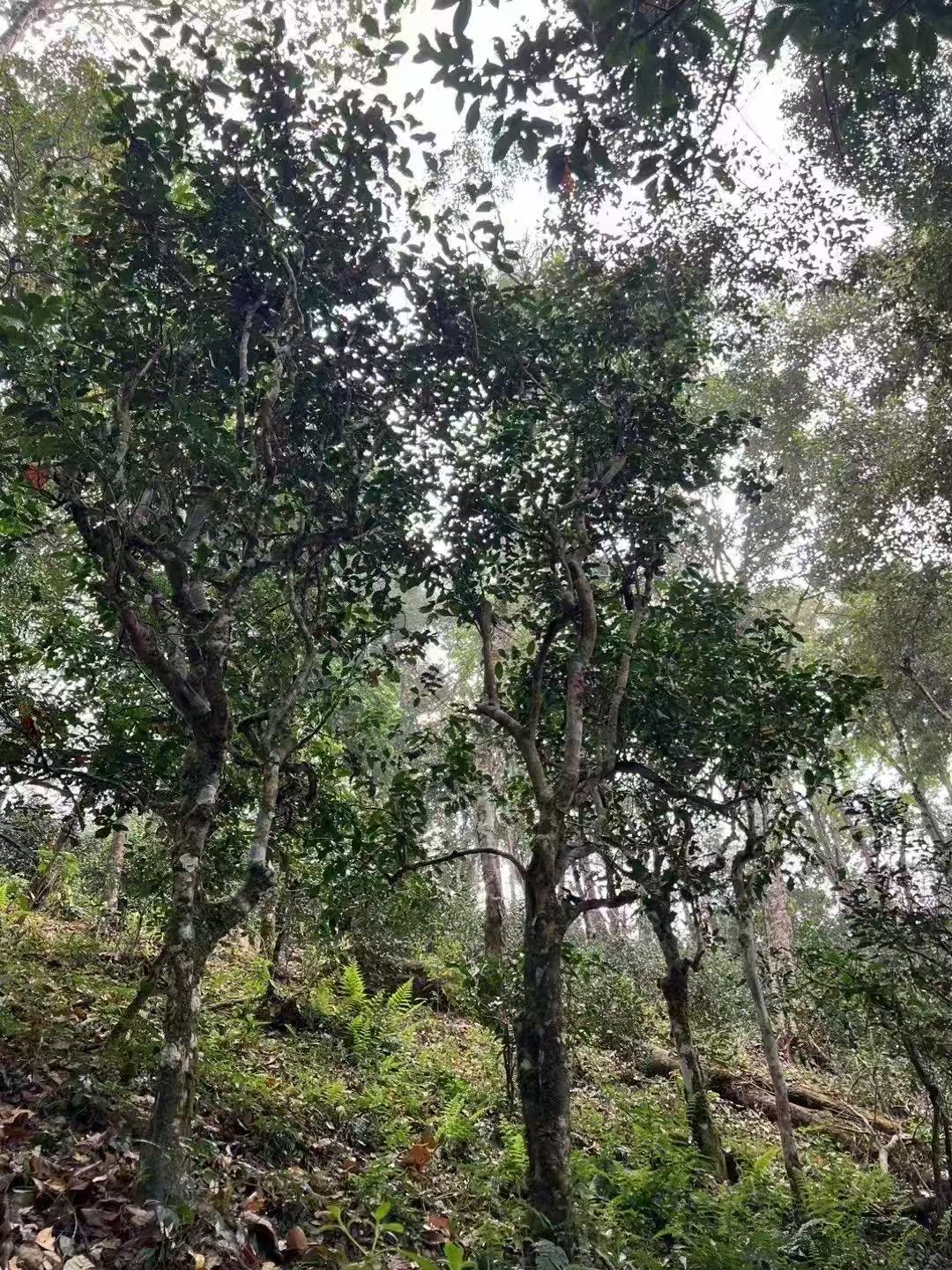
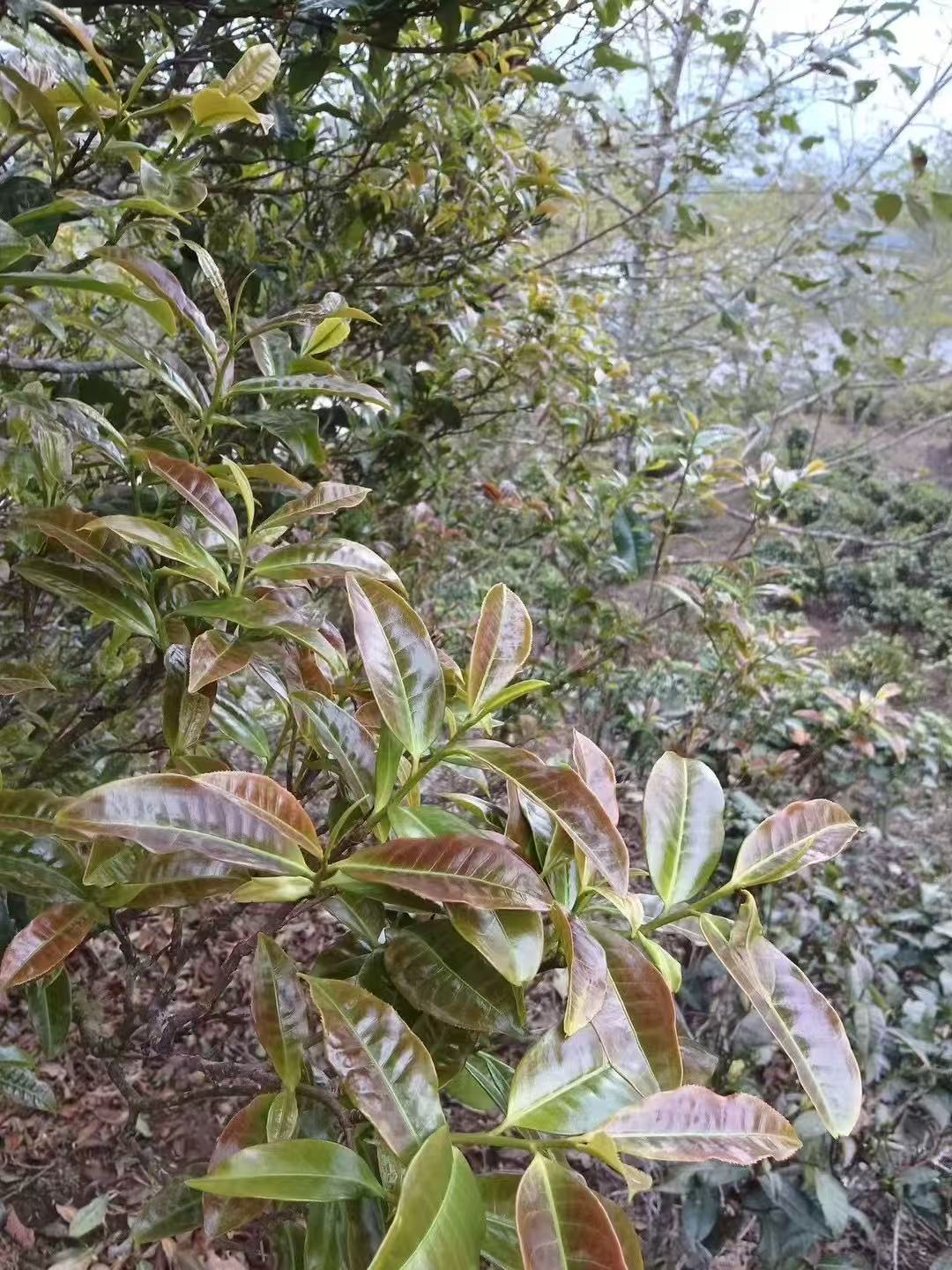
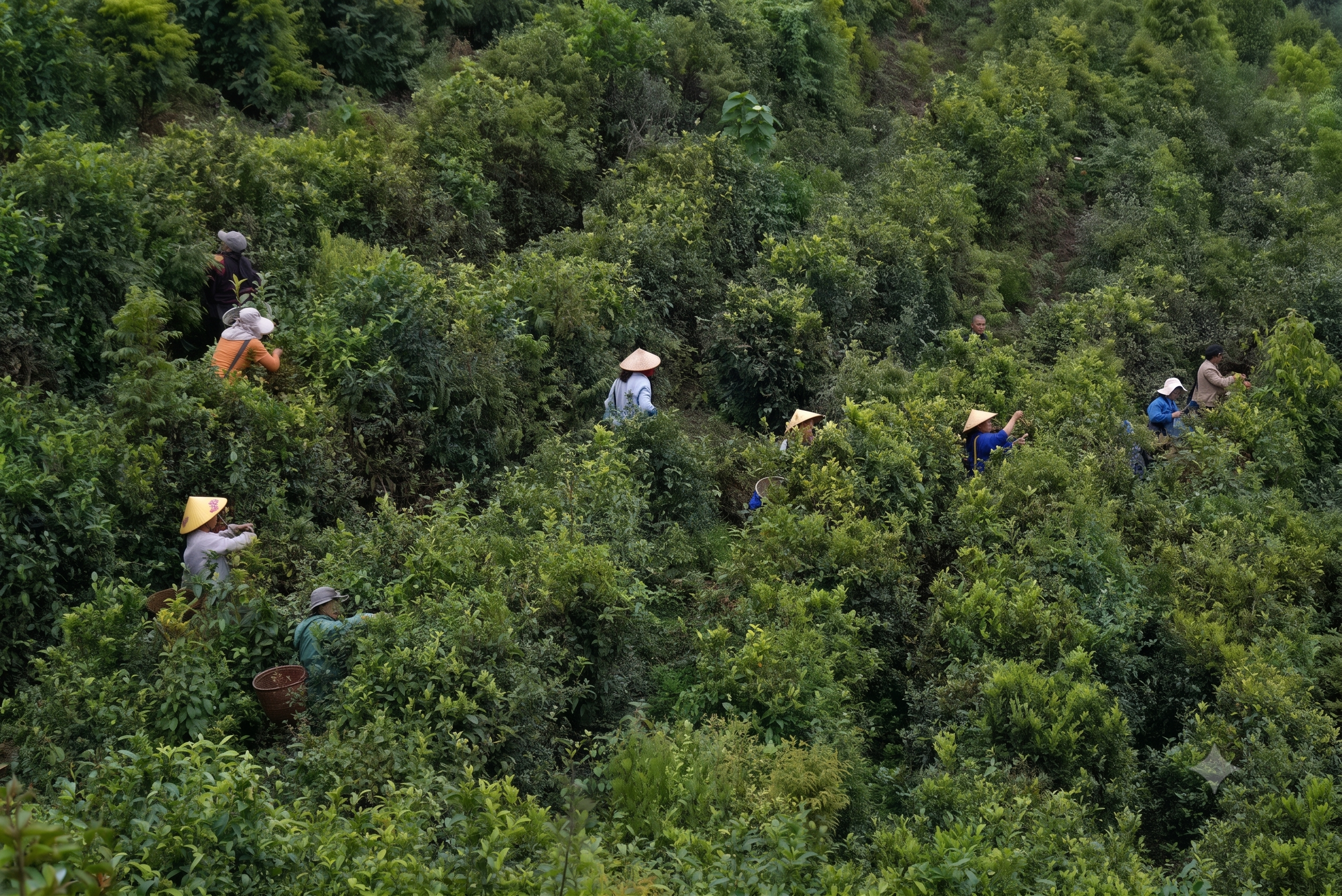

This tea comes from Fengqing. You can read about the place, the farmers and the growing conditions on the terroir page: Fengqing.
White tea is the least processed tea family. The leaves are withered and dried, with no rolling and no firing step to shape them. This keeps the taste soft, sweet and clear.
Use about 4 to 5 grams for 100 ml with water at 85 to 95 degrees Celsius. Steep for 20 to 30 seconds for the first infusion and extend the time slightly with each one. You can also brew it in a larger pot for a longer, gentler cup.
Yes. Well stored white tea keeps changing over the years, becoming rounder and deeper. Keep it dry, away from light and strong smells.
Yefang Cha 野放茶 is often used alongside terms like organic, ecological, and wild-grown tea, but they don't all mean the same thing. After years of traveling across Taiwan and meeting...

The conclusion to our 10th-edition Double Feature dives into the botanical world of Guan Mu (shrub/bush teas). Part II features five contrasting the native, seed-grown bushes of Fu'an with the...

To celebrate our 10th edition milestone, the Blind Tasting Club presents a challenging "Double Feature." Part I explores the deep roots of Qiao Mu (arbor trees) through a curated flight...

Journey into the misty mountains of Yilan, Taiwan. For BTC-12, we explore a single, esoteric terroir through a beautifully curated spectrum of five pesticide-free teas, ranging from a 20% oxidized...

What are we really paying for when buying Zhengyan yancha? A decade of research in Wuyi Shan reveals the truth behind genuine yancha, discovering how micro-terroir, weather, and traditional craftsmanship...