


Understanding Yefang, Taiwan's Natural Farming Philosophy
Yefang Cha 野放茶 is often used alongside terms like organic, ecological, and wild-grown tea, but they don't all mean the same thing. After years of traveling across Taiwan and meeting...


福安坦洋老樅工夫紅茶
Fu'an sits in northeastern Fujian – the province that later became known as China's "white tea capital" following the white tea boom of the early 2000s. However, before white tea dominated the region, red tea was the main production. The majority of these old seed-grown bushes are no longer cultivated today, having been replaced by the local Da Bai 大白 and Da Hao 大毫 cultivars for white tea production. Some, however, were abandoned or simply left to grow naturally. Few tea makers still preserve the traditional craftsmanship needed to turn this material into authentic Tanyang gongfu red tea. Master Chen is one of them.
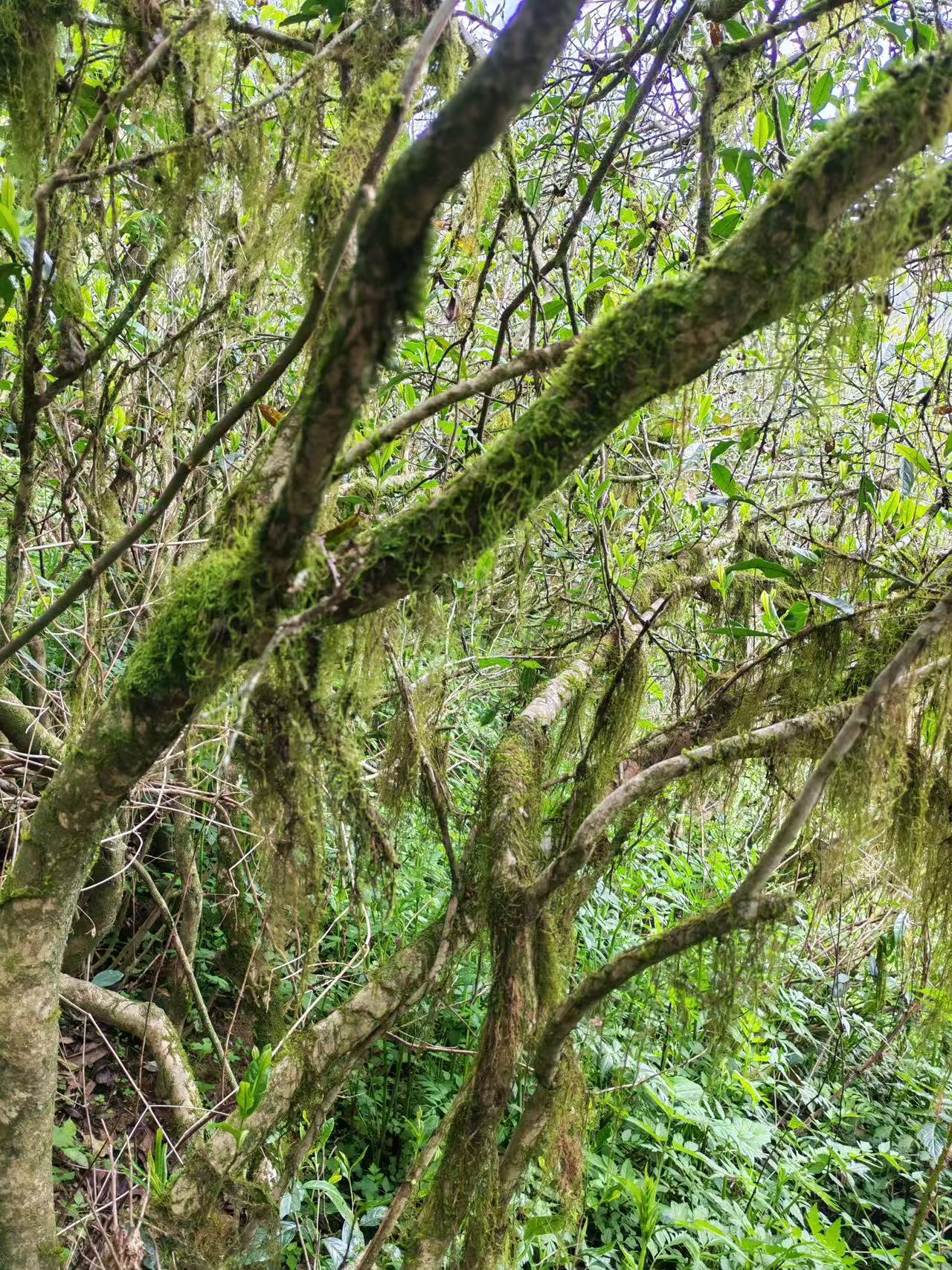
Within the Fu'an tea industry, this tea stands out not only for its traditional craftsmanship, but also because it comes from completely pesticide-free old bushes. Unfortunately, tea cultivation in Fu'an remains lightly regulated, with heavy pesticide use still widespread. We voluntarily tested this batch in Taiwan for 556 pesticide residues before release, giving us confidence that the tea is truly Yefang Cha, abandoned trees with no actual maintenance.
The tea is produced by Master Chen from Tanyang village, recognized by the Chinese government as a National-level Representative Inheritor of Intangible Cultural Heritage. His family's tea comes from the same old seed-grown population, with bushes over 70 years old that qualify as genuine laocong 老樅 (old bushes). Their naturally smaller leaves clearly distinguish this material from the larger leaves more commonly seen on old-arbor teas in the region. To preserve the traditional Tanyang gongfu craftsmanship, Master Chen completes the final stages in small batches, allowing exceptional precision during sorting and low-heat firing.
Tanyang village is the original place where this style of red tea began. In the 1850s, a local merchant named Hu Fusi 胡福四 adapted the Wuyi methods of making red tea and applied them to the local seed-grown population (quntizhong 群體種). The result came to be known as Tanyang gongfu 坦洋工夫. According to Lin Hong 林鸿, a provincial-level inheritor of the Tanyang gongfu tea craftsmanship: “The process is elaborate and time-consuming, which is why it is called gongfu 工夫, and every step has its own secrets.” During the first half of the twentieth century, Tanyang gongfu became highly popular in the West, but declined after the Second World War. Its revival began in 2006 and culminated in 2022, when its craftsmanship was inscribed by UNESCO on the Representative List of the Intangible Cultural Heritage of Humanity.
The resulting tea has a medium body and a soft, smooth texture. With almost no astringency, the mouthfeel remains consistent throughout the infusions. The aroma combines ripe fruit with the old-bush character known in Fujian as congwei 樅味, reminiscent of well-aged laocong Shui Xian yancha. The first infusion shows notes of dried red dates, followed by caramel, honey, gentle woodiness, sweet potato, and a clean floral edge. The huigan 回甘 (returning sweetness) is steady rather than sharp. It even recalls a well-crafted Dian Hong from Yunnan, despite being made from completely different material on the opposite side of the country. Despite the rarity of the material and craftsmanship, it remains remarkably approachable.
We first introduced this tea in Blind Tasting Club #11, where it shared the Favorite Tea Award after a tie in the final voting. You can read more about that edition here.
Tea ID
Information
Keep it in its original packaging in a shaded, dry place at room temperature, with a neutral smell. Avoid direct sunlight, humidity and refrigeration, and do not store it next to spices or perfumes.
Couldn't load pickup availability
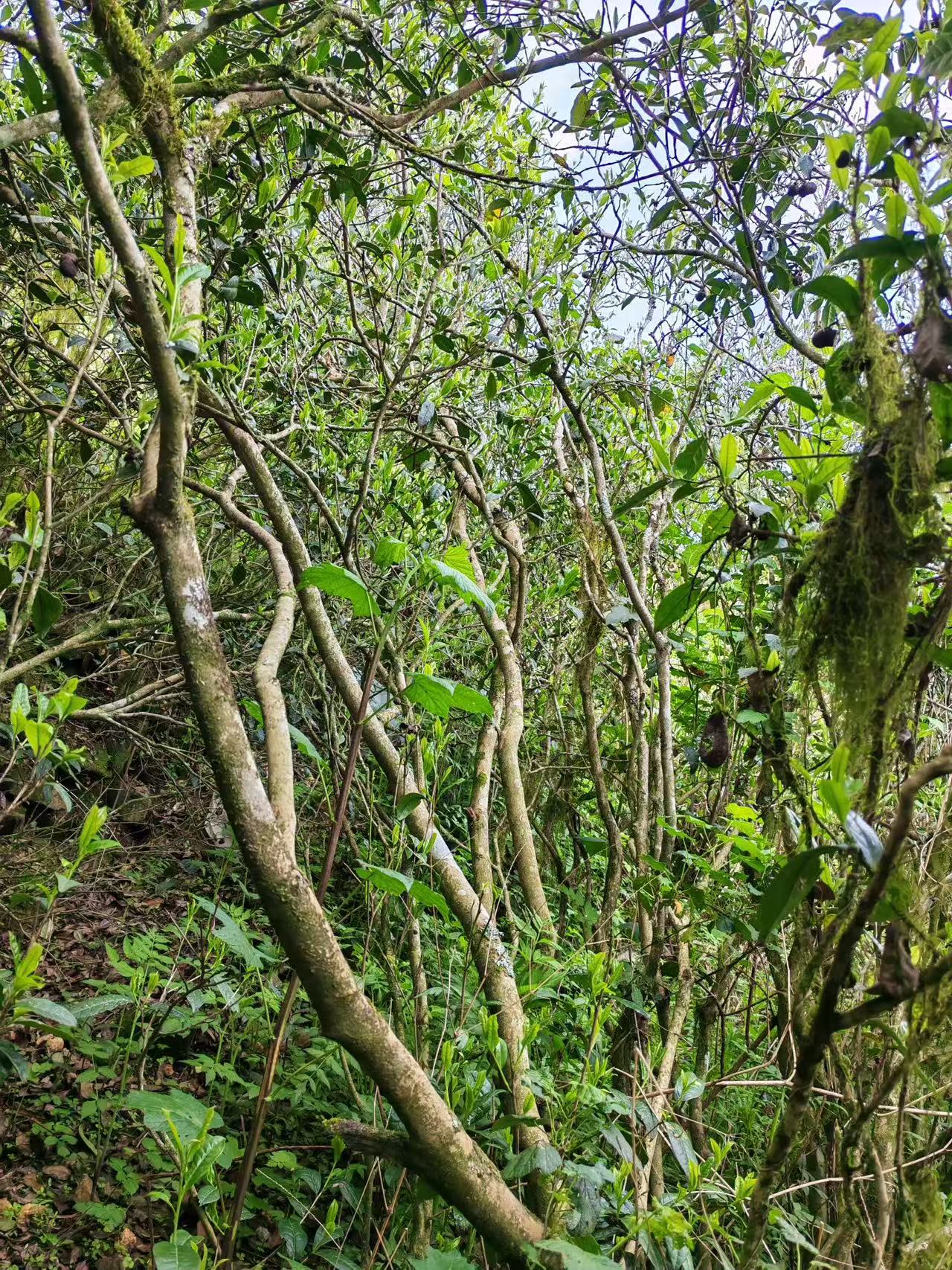
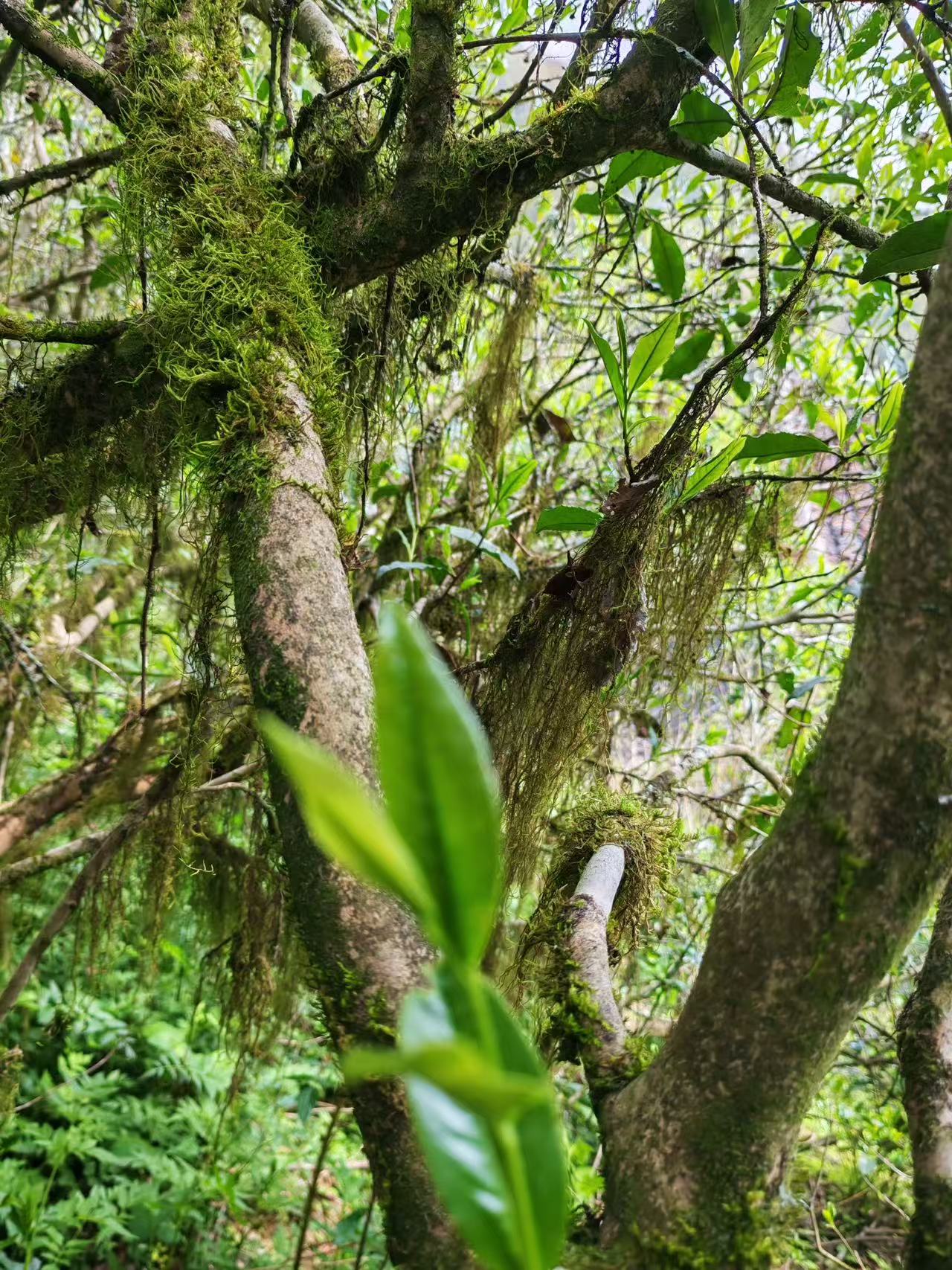
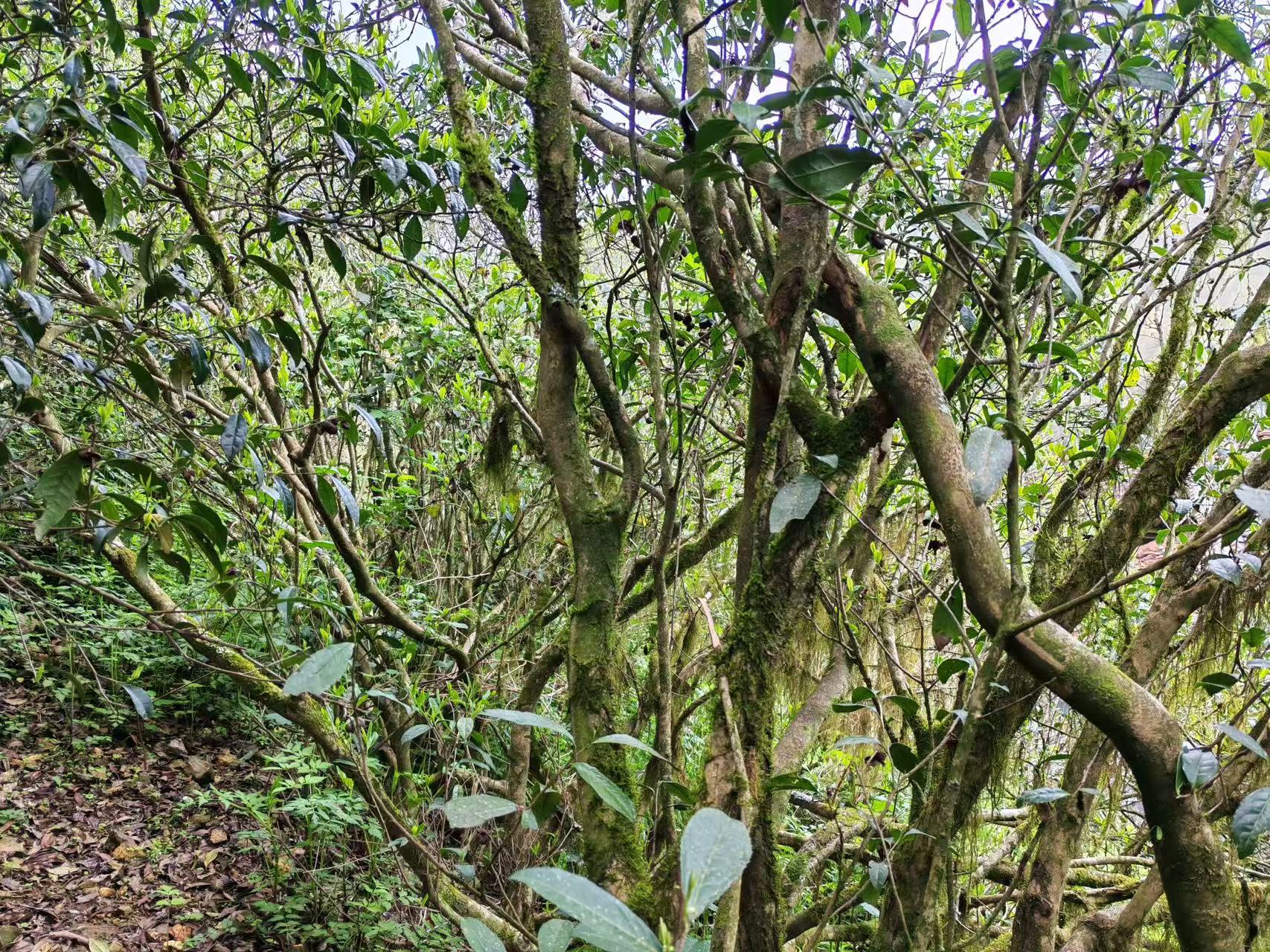
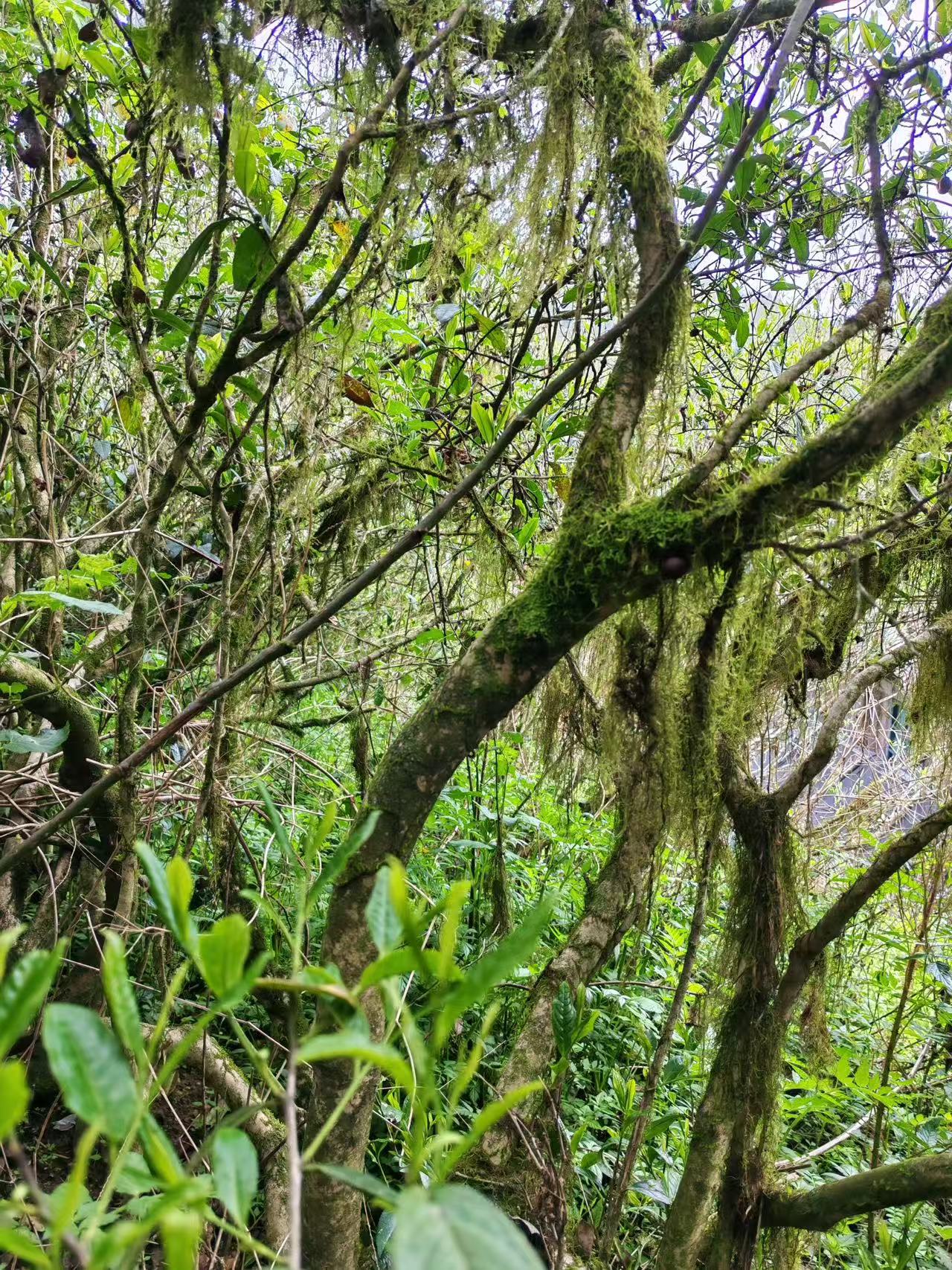

This tea comes from Ningde. You can read about the place, the farmers and the growing conditions on the terroir page: Ningde.
Red tea is what many English speakers call black tea. The leaves are withered, rolled and fully oxidized, then dried. The result is a warm, sweet cup, usually with notes of fruit, honey or malt.
Use about 4 to 5 grams for 100 ml with water at 90 to 95 degrees Celsius. Steep for 15 to 20 seconds in a small pot or gaiwan and add a few seconds with each infusion. It also brews well in a larger pot.
Keep it in a sealed container, dry and away from light and strong smells. Enjoy it within a year or two for its freshest aroma.
Yefang Cha 野放茶 is often used alongside terms like organic, ecological, and wild-grown tea, but they don't all mean the same thing. After years of traveling across Taiwan and meeting...

The conclusion to our 10th-edition Double Feature dives into the botanical world of Guan Mu (shrub/bush teas). Part II features five contrasting the native, seed-grown bushes of Fu'an with the...

To celebrate our 10th edition milestone, the Blind Tasting Club presents a challenging "Double Feature." Part I explores the deep roots of Qiao Mu (arbor trees) through a curated flight...

Journey into the misty mountains of Yilan, Taiwan. For BTC-12, we explore a single, esoteric terroir through a beautifully curated spectrum of five pesticide-free teas, ranging from a 20% oxidized...

What are we really paying for when buying Zhengyan yancha? A decade of research in Wuyi Shan reveals the truth behind genuine yancha, discovering how micro-terroir, weather, and traditional craftsmanship...