


Understanding Yefang, Taiwan's Natural Farming Philosophy
Yefang Cha 野放茶 is often used alongside terms like organic, ecological, and wild-grown tea, but they don't all mean the same thing. After years of traveling across Taiwan and meeting...


永德大雪山野生白茶
We began searching for this material in 2022, before China reopened post COVID, knowing it existed but also how difficult it would be to access. After years of research and local relationships in Yongde, the first successful batch became one of the most unusual white teas we had ever sourced. It immediately caught our attention for its expressive aroma and unmistakably wild character. It reminded us of a white tea we drank in Yunnan a few years ago, made from a 2,700-year-old tea tree, because of the unique character of the material itself. Even at a young age, it already showed remarkable complexity, and over time it continued to evolve rather than fade. We found ourselves drinking it throughout the year, watching it become softer, more stable, and more mature. When we returned to Yongde in spring 2026, we asked Jenny, the producer, to make another batch for us. Today, we offer both the 2024 and 2026 harvests, allowing two different stages in the evolution of the same tea to be experienced side by side.
Both batches come from the same mountain. They are made from native heirloom Camellia taliensis material (Da Li Zhong 大理種) growing naturally in the forest and managed according to the yesheng 野生 approach. The trees are believed to be well over a century old, although their age is difficult to determine because they grow scattered across remote forest areas rather than in cultivated gardens. Because these heirloom trees grow completely wild, there is no strict picking standard. Shoots may include up to seven or eight leaves, with tenderness taking priority over size, and even Yabao buds occasionally appear among the leaves.
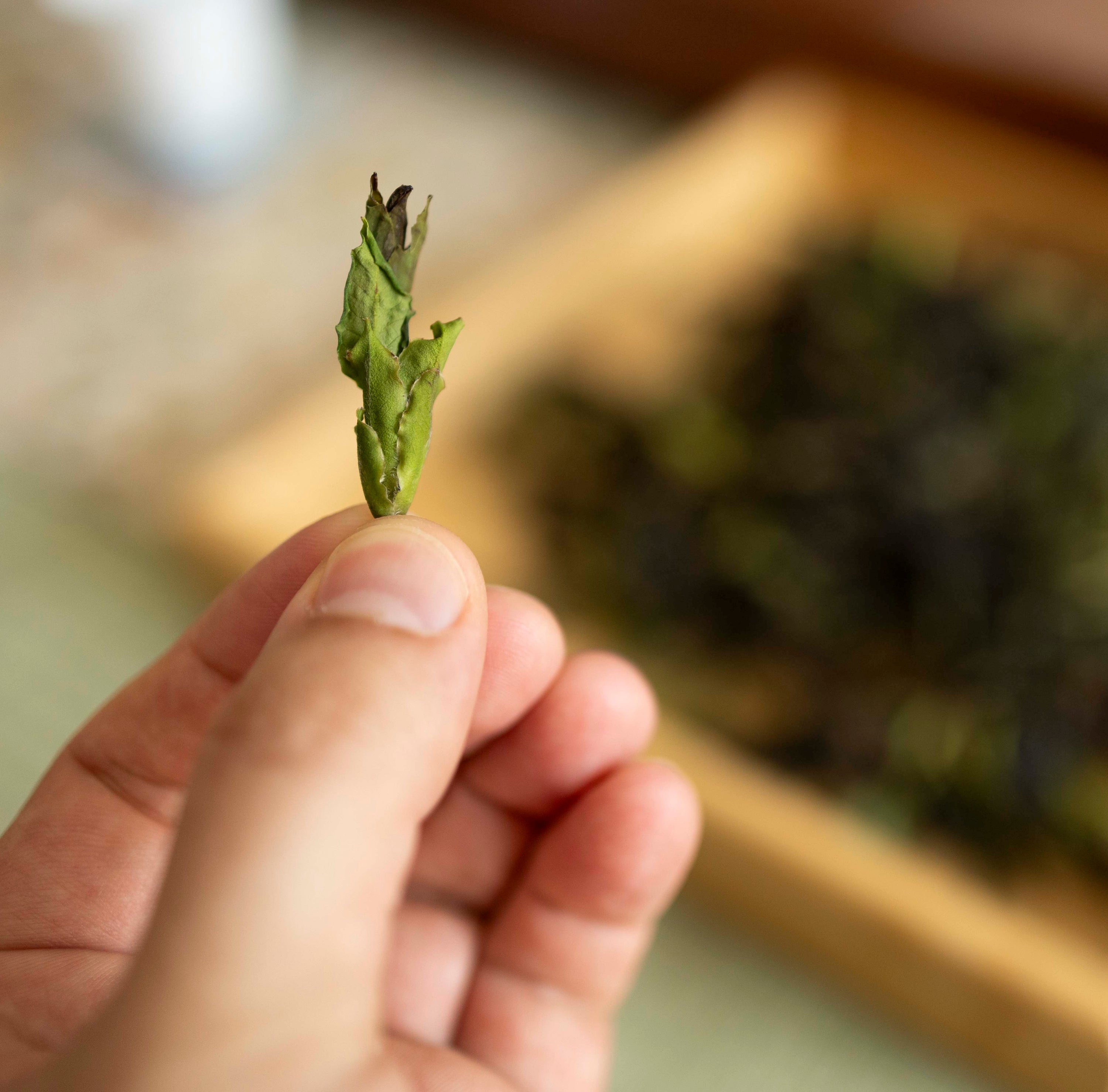
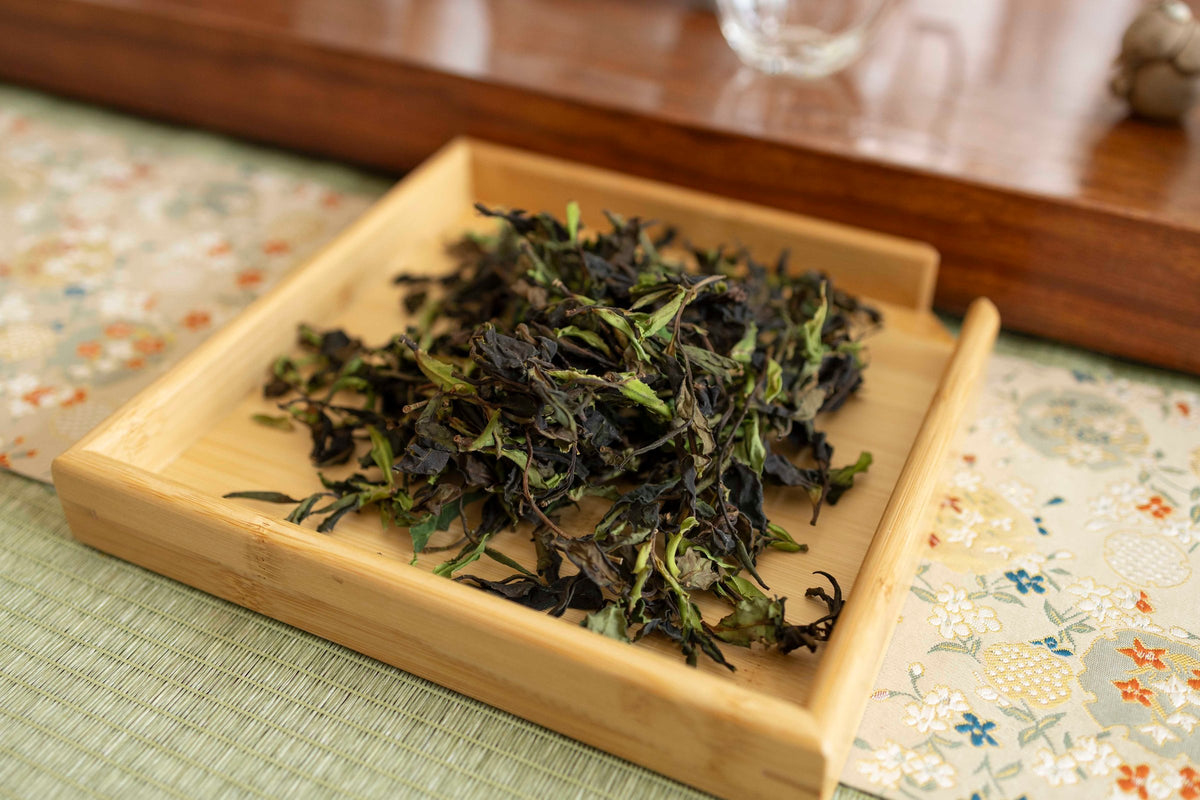
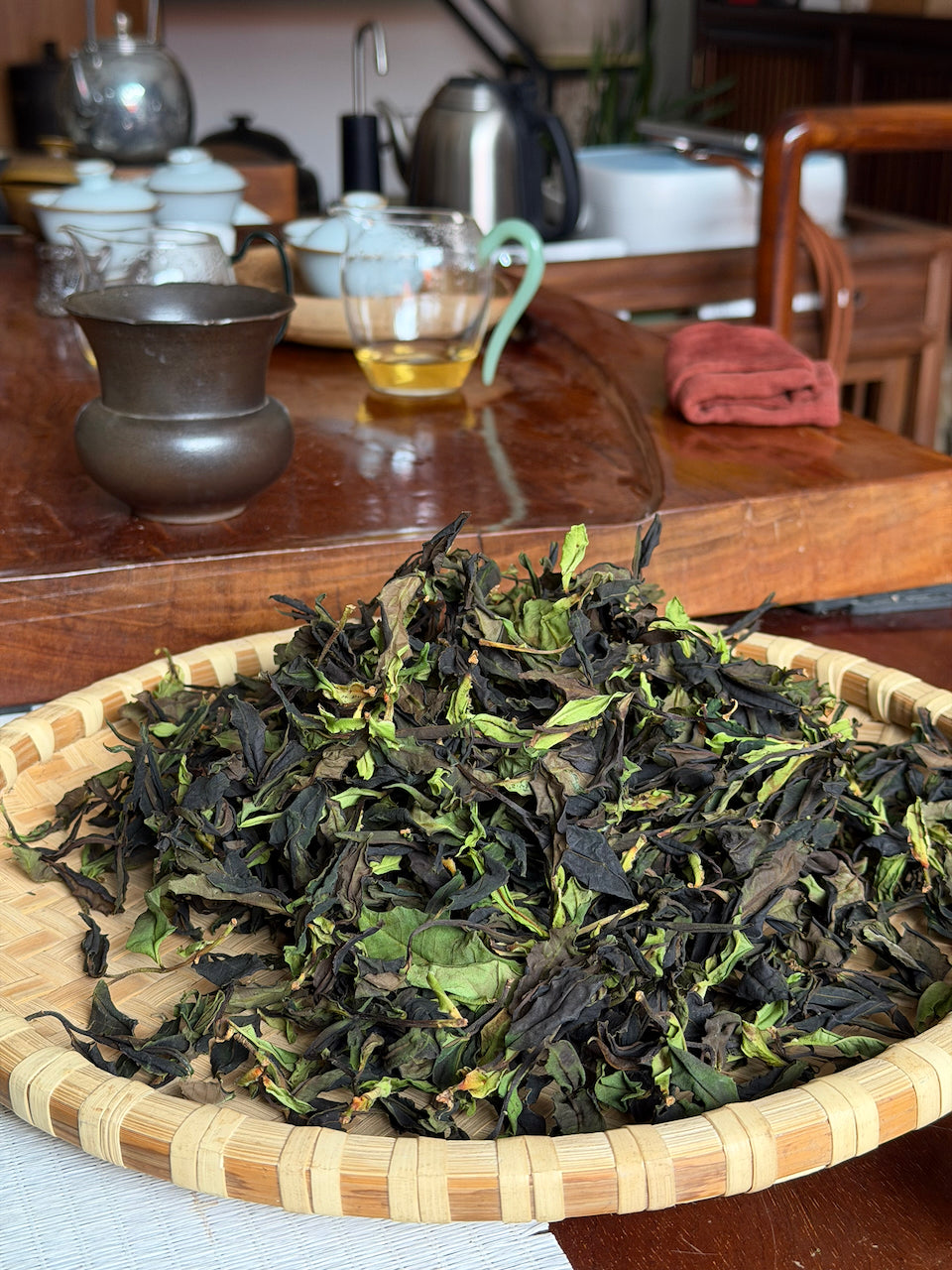
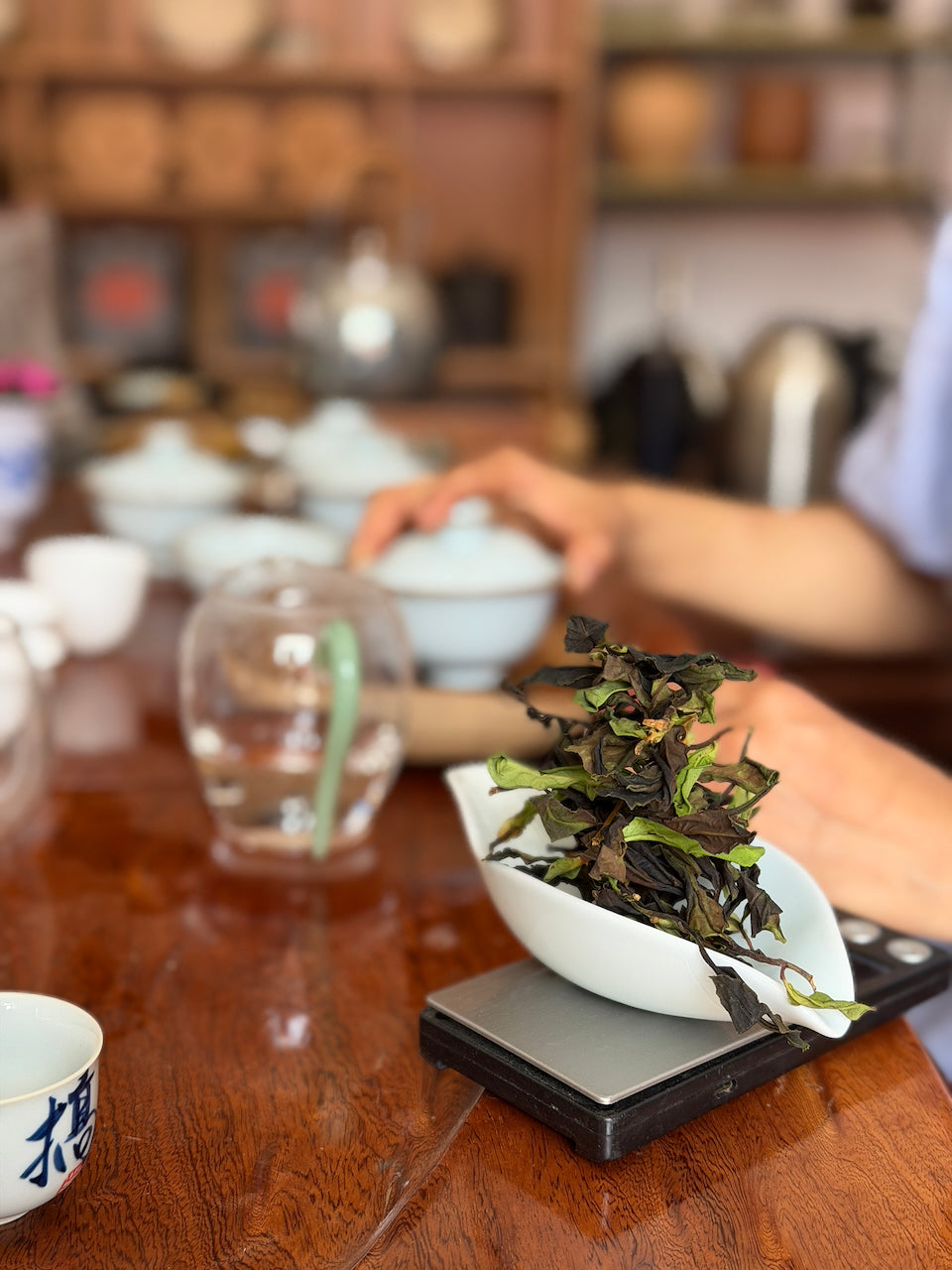
Both harvests are highly aromatic, vivid, and energetic, with lingering sweetness and a long huigan 回甘 (sweet aftertaste). The dry leaves have a distinctive glossy green and dark blue appearance when young, gradually becoming darker with age, and only about 2–3 grams are needed for a session because the material is exceptionally potent. Their profile reminds us of Yabao, although with considerably more complexity and depth. The 2024 has a deeper body and a more settled expression, with subtle mineral-sour notes, hints of wild berries, dragon fruit, kiwi, and almost no astringency. The 2026 is fresher, grassier, and more floral, with the rugged character typical of forest-grown tea. Both harvests remain remarkably clean, without harshness or disturbing astringency. Together, they offer two different stages in the evolution of the same tea.
Tea ID
Information
Long shelf life, the aged the better. Suitable for aging by storing in the original packaging, in a shady place with neutral odor. Keep the deoxidizer inside the bag, and replace if becomes hard. Avoid storage alongside spices, perfumes and other types of tea.
Couldn't load pickup availability

This tea comes from Yongde. You can read about the place, the farmers and the growing conditions on the terroir page: Yongde.
Sheng pu'er is raw pu'er tea from Yunnan. After picking, the leaves are fired, rolled and sun-dried, then left to age instead of being fermented in piles. Young sheng is bright and often brisk. With years of storage it becomes softer and deeper.
Use about 5 grams for 100 ml in a small pot or gaiwan. Rinse the leaves once with hot water, then steep with water just off the boil. Start with 10 to 15 seconds and add a few seconds with each infusion. Good leaves give many infusions.
Keep it dry, away from strong smells and direct light, in a container that still lets a little air in. Avoid the fridge. Stored well, sheng pu'er changes slowly and can be enjoyed young or aged.
Yefang Cha 野放茶 is often used alongside terms like organic, ecological, and wild-grown tea, but they don't all mean the same thing. After years of traveling across Taiwan and meeting...

The conclusion to our 10th-edition Double Feature dives into the botanical world of Guan Mu (shrub/bush teas). Part II features five contrasting the native, seed-grown bushes of Fu'an with the...

To celebrate our 10th edition milestone, the Blind Tasting Club presents a challenging "Double Feature." Part I explores the deep roots of Qiao Mu (arbor trees) through a curated flight...

Journey into the misty mountains of Yilan, Taiwan. For BTC-12, we explore a single, esoteric terroir through a beautifully curated spectrum of five pesticide-free teas, ranging from a 20% oxidized...

What are we really paying for when buying Zhengyan yancha? A decade of research in Wuyi Shan reveals the truth behind genuine yancha, discovering how micro-terroir, weather, and traditional craftsmanship...