


Understanding Yefang, Taiwan's Natural Farming Philosophy
Yefang Cha 野放茶 is often used alongside terms like organic, ecological, and wild-grown tea, but they don't all mean the same thing. After years of traveling across Taiwan and meeting...


倚邦曼松山生茶
Mansong is the most famous tea area in Yibang, one of the Six Ancient Tea Mountains, and historical records note that Mansong tea from Yibang was designated as tribute tea for the Qing court.
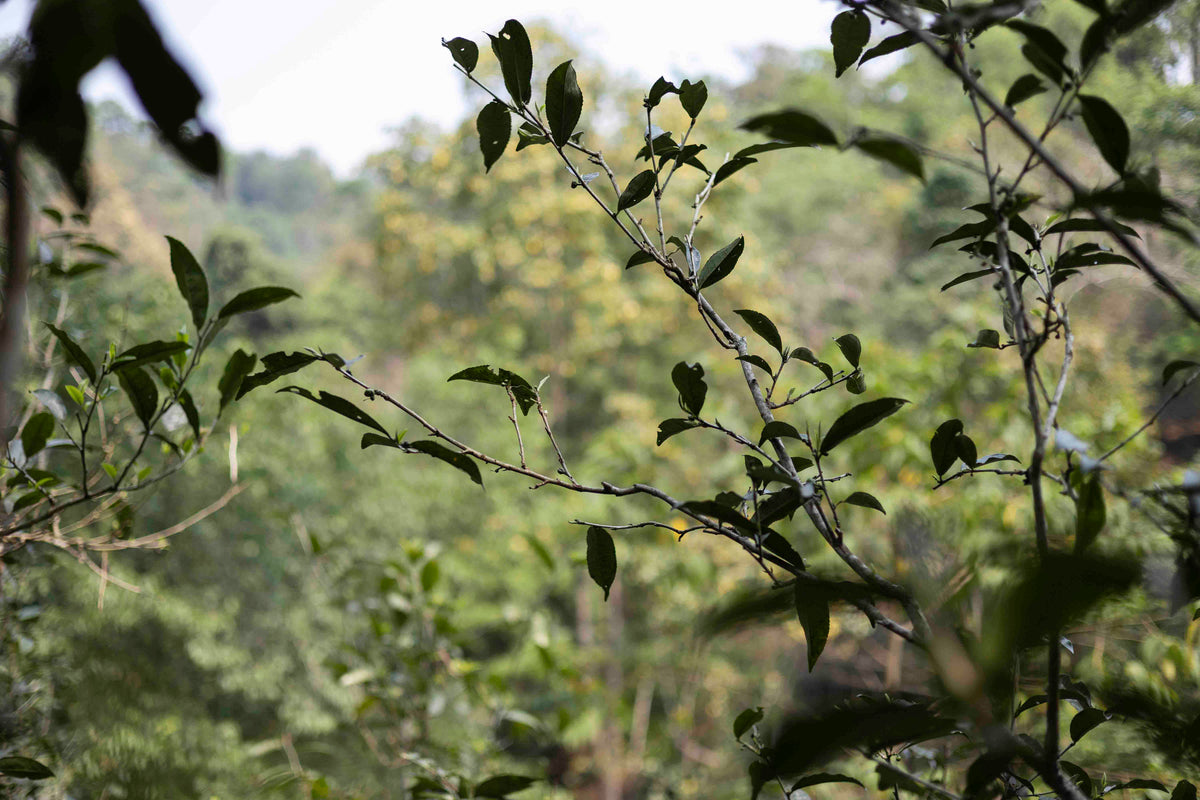
After sampling several well-aged Mansong vintages in early 2026, we decided to make Yibang our highest priority during our Spring 2026 Yunnan sourcing journey, and came back with two nano-terroir batches from two different mountains within the core area of Mansong: Wangzi Shan 王子山 ("Prince Mountain") and Beiyin Shan 背陰山 ("Shady Mountain").
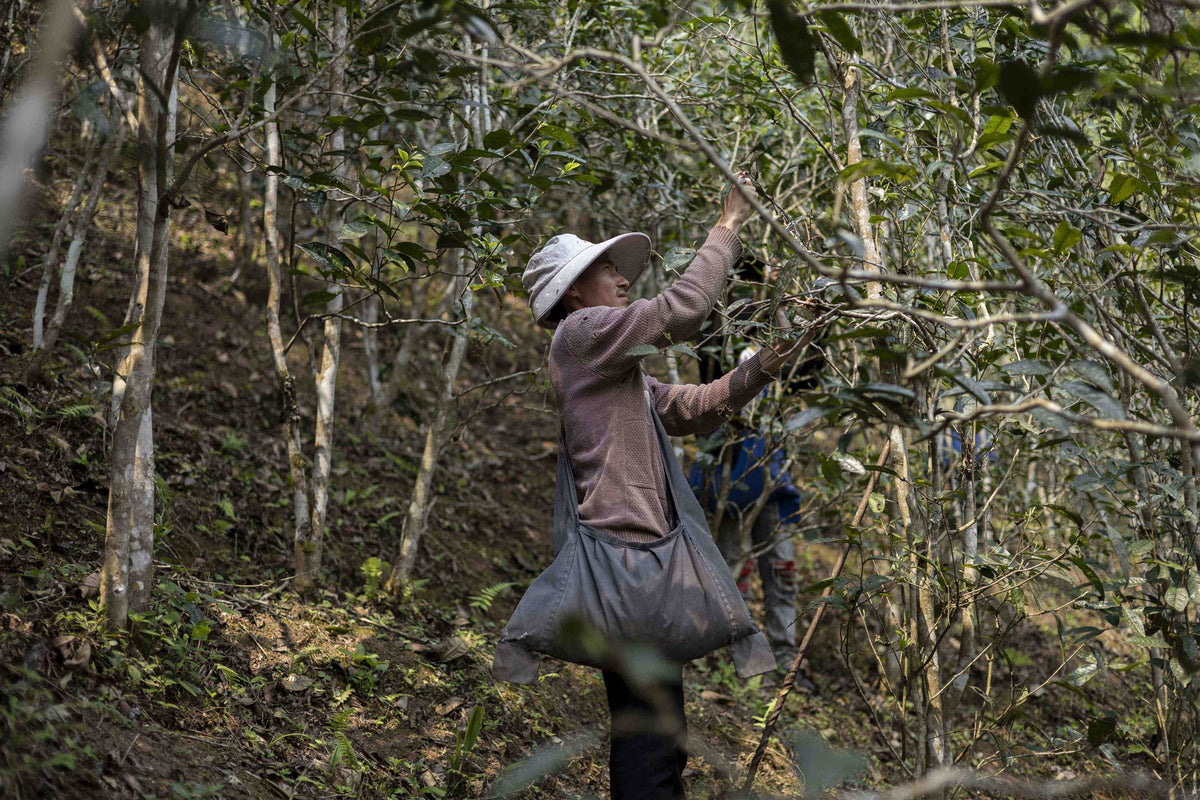
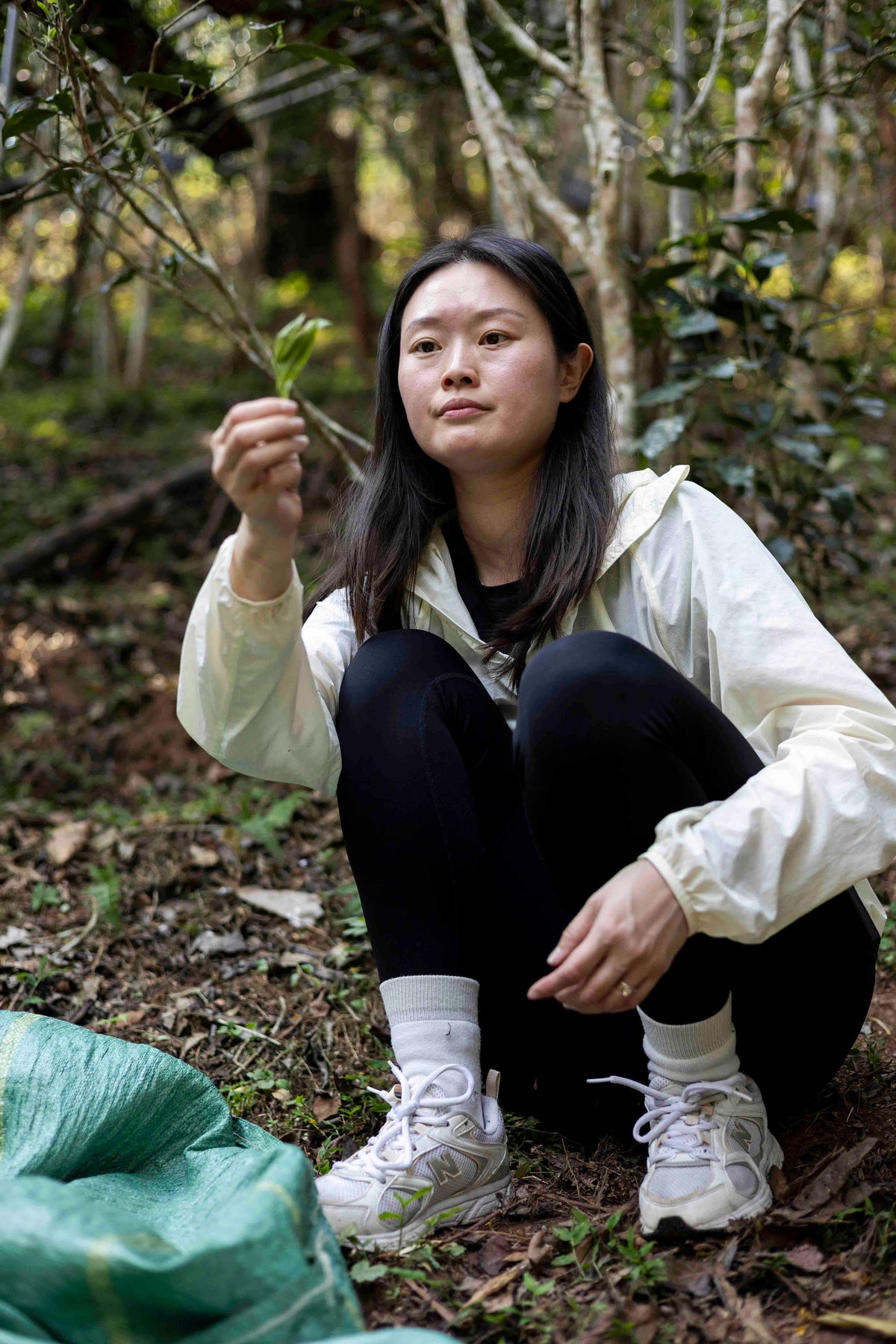
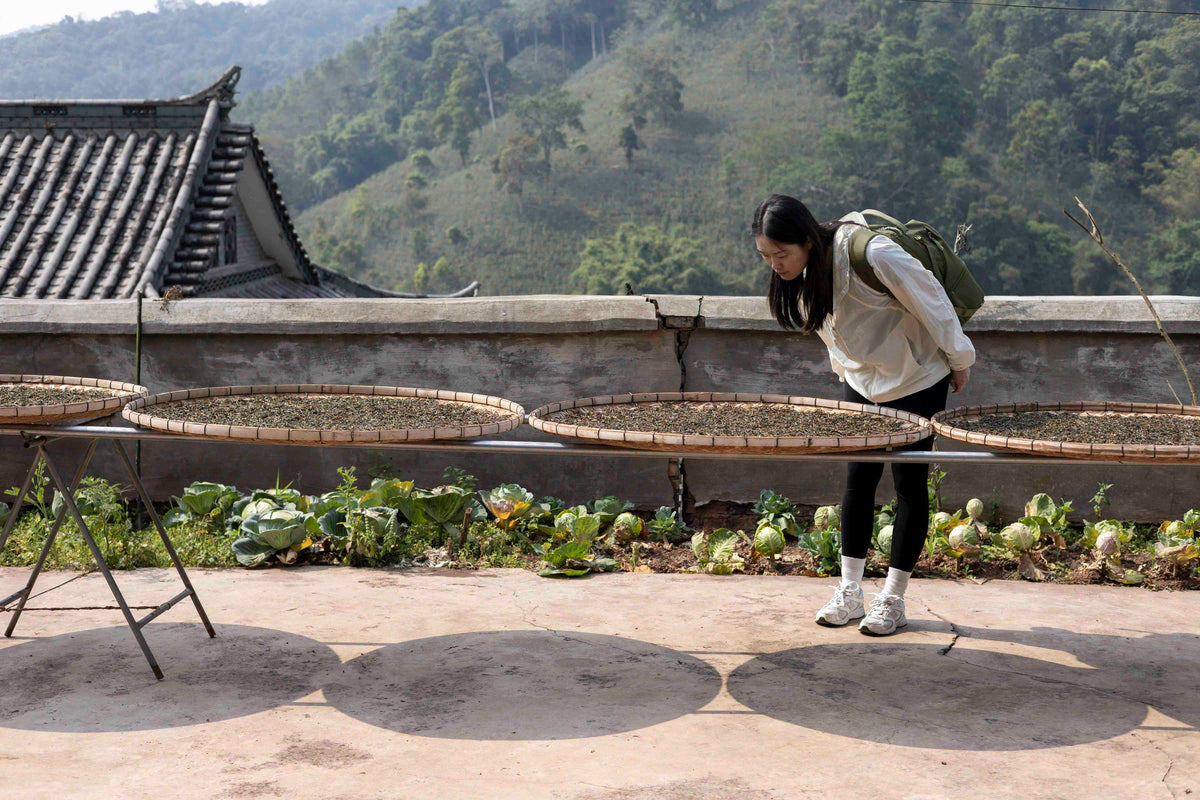
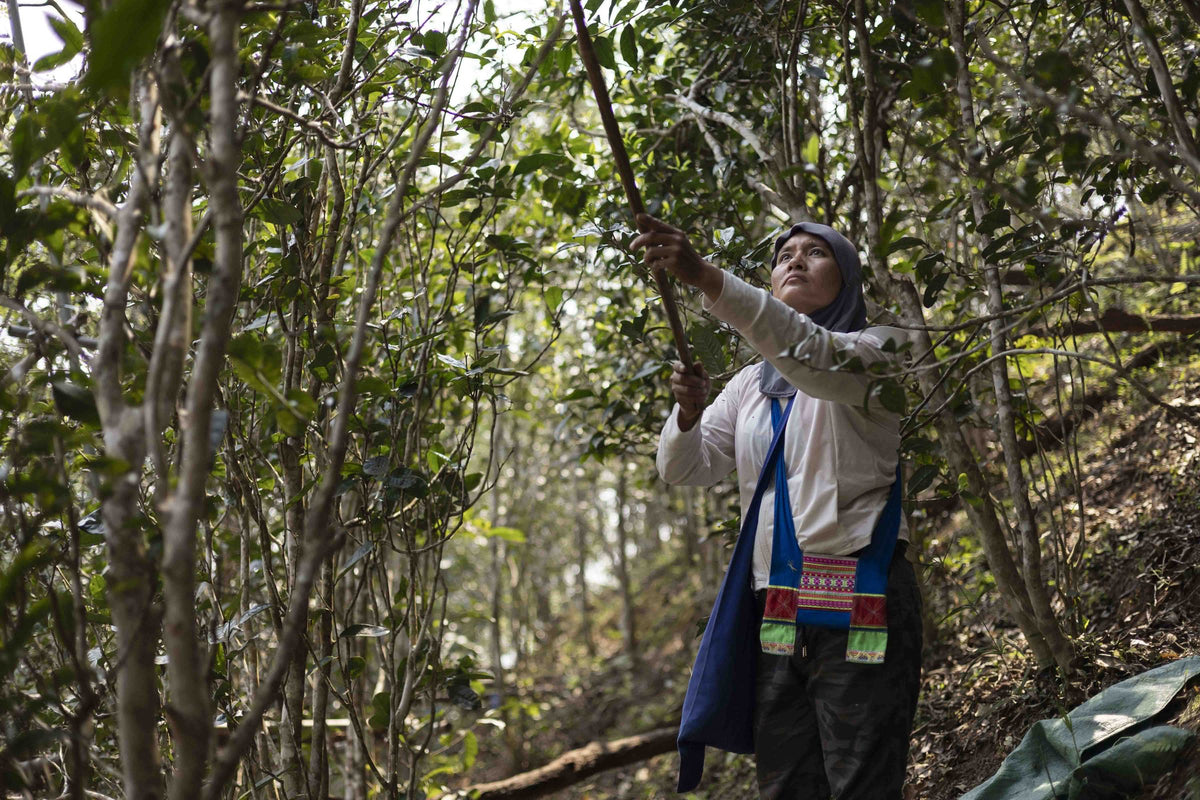
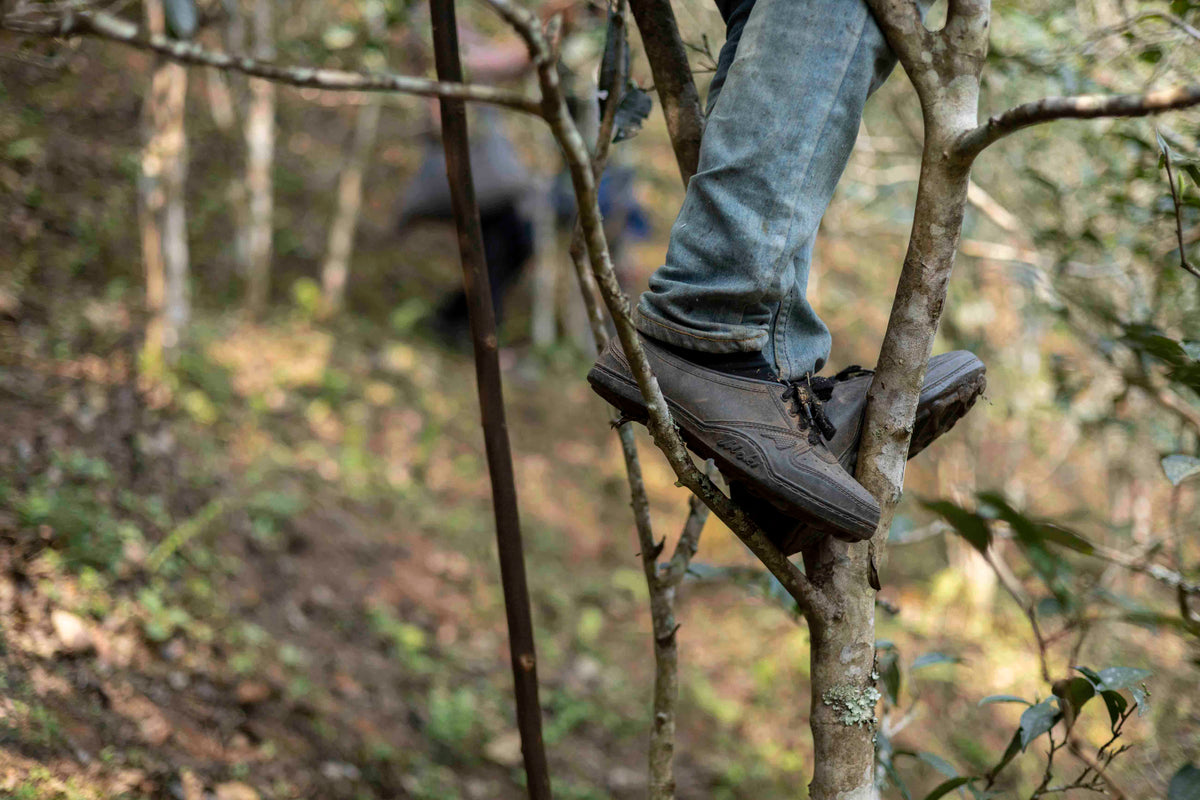
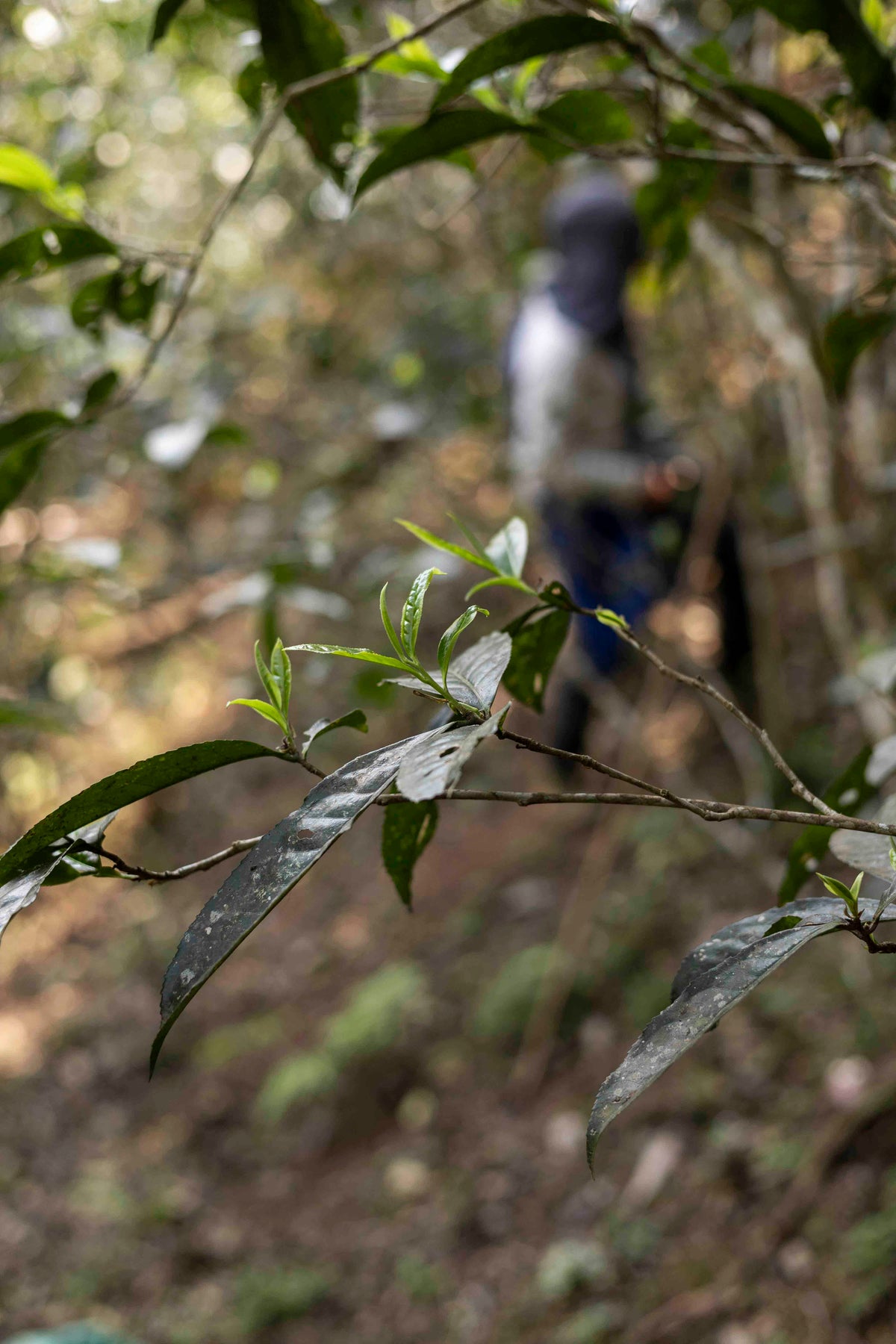
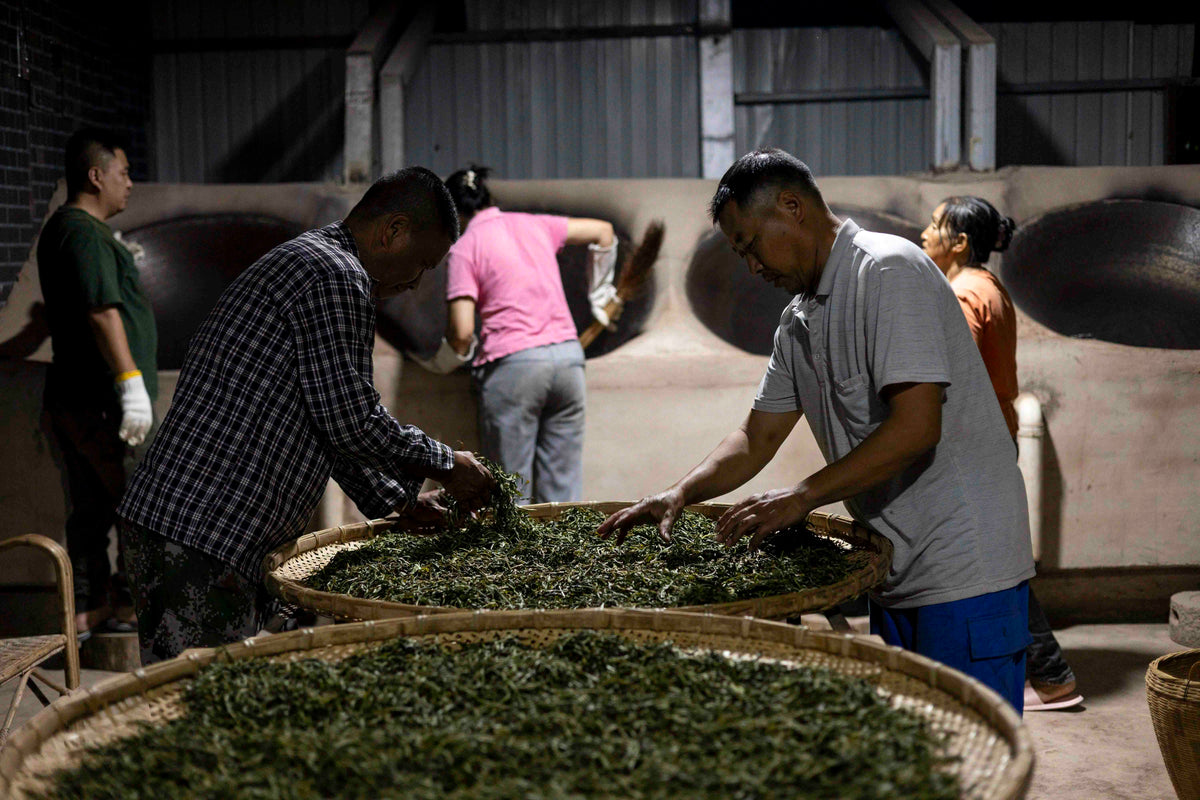
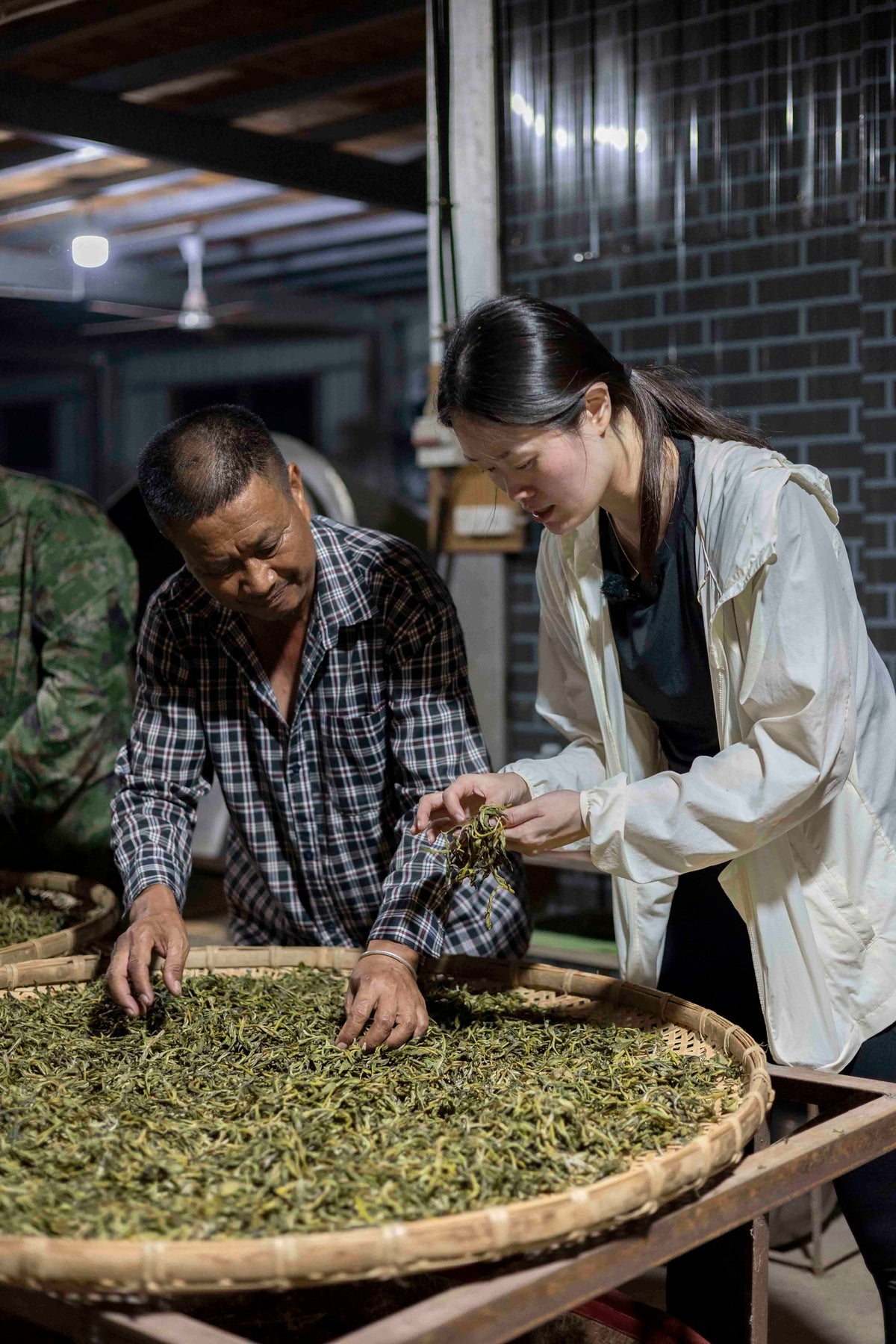
Every spring, these decisions have to be made well in advance. Nature follows its own schedule, and we can't be in multiple tea regions at the same time. Instead, we choose a handful of areas to focus on, follow the changing weather, and stay flexible enough to arrive before picking begins. That's when we can spend time with the farmers, experience the environment firsthand, and better understand each terroir beyond the finished tea. We joined local farmers to better understand the nano-terroirs of Mansong and to search for what we call micro-batches — tiny harvests of just a few kilograms, sometimes from a single picking day or even a danzhu 單株 (single tree). After several days in the mountains, we had both.
Our farmer considers both teas as xiao gaogan 小高桿, meaning "small tall-trunk" trees, which refers to tea trees that show a high, upright trunk form like gaogan 高桿 trees, but are smaller or less extreme than the classic very tall, old forest "high-trunk" trees. Unlike many famous pu'er regions, Mansong is not particularly known for ancient gushu trees. Most of its character comes from zhong-xiao shu (medium and small trees), many of them less than 100 years old. We believe this is one of the reasons Mansong attracts more experienced drinkers, who no longer chase the numbers behind a tea, but focus on what ends up in the cup.
"The Prince of Mansong", this micro-batch grows in Mansong's distinctive purple-red weathered-stone soil, which breaks down easily, drains well, and still keeps enough moisture for slow tree growth. This is what gives the area its iconic sweetness and aroma. Even within the core area, each micro-batch can express itself differently depending on mountain aspect, shade, altitude, and yield. During our visit, a drive of just a few minutes uphill brought us nearly 200 meters higher in elevation, revealing noticeably different growing conditions. That part of the mountain was harder and more dangerous to pick, which is one of the reasons why this tea is rarer and more expensive.
In the cup, Wangzi Shan feels soft with a slightly sticky kougan (mouthfeel), with a wide range of high tones, early sweetness, and a stable but mild huigan 回甘 (returning sweetness).
Similar to Wangzi Shan, "The Shady Mountain" also grows in weathered-stone soil that can be broken apart by hand, but here the soil is brown rather than purple-red. At a slightly lower altitude, this area is easier to reach and less extreme than Wangzi Shan. While Wangzi trees receive about 12 hours of daylight, the trees of Beiyin Shan receive less than 10 hours of direct sunlight each day, a difference that has a noticeable influence on the character of the tea.
Beiyin Shan feels more even and steady from the start. In the cup, it is balanced, slowly developing, and with very few flaws - less dramatic than Wangzi Shan, but very clear in its own way, and often the kind of profile we are happy to drink.
This is the first time we've sourced Mansong at this level of precision. Most of these two batches will continue aging as maocha form (loose) in our Xiamen pu'er room, while we keep following their development over the years. Only a small portion is available now, allowing us to revisit these same batches as they mature.
Tea ID
Information
Long shelf life, the aged the better. Suitable for aging by storing in the original packaging, in a shady place with neutral odor. Keep the deoxidizer inside the bag, and replace if becomes hard. Avoid storage alongside spices, perfumes and other types of tea.
Couldn't load pickup availability

This tea comes from Yibang. You can read about the place, the farmers and the growing conditions on the terroir page: Yibang.
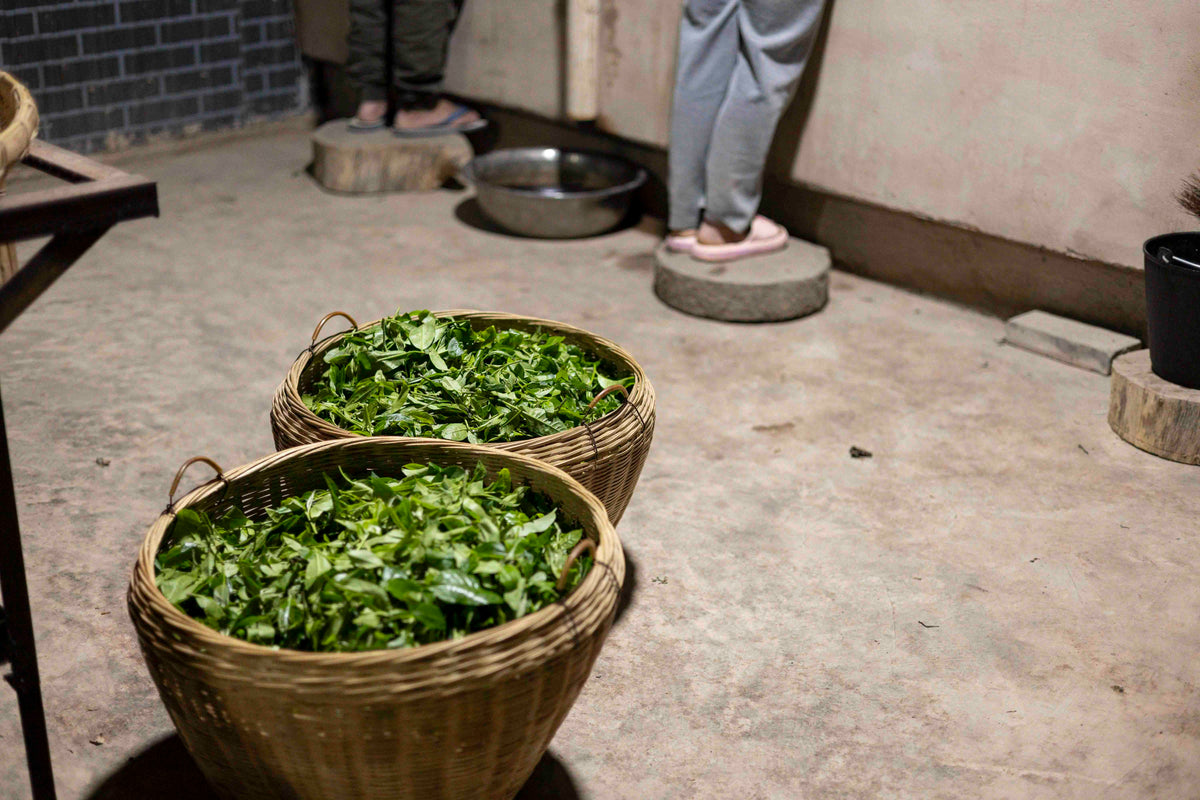
Sheng pu'er is raw pu'er tea from Yunnan. After picking, the leaves are fired, rolled and sun-dried, then left to age instead of being fermented in piles. Young sheng is bright and often brisk. With years of storage it becomes softer and deeper.
Use about 5 grams for 100 ml in a small pot or gaiwan. Rinse the leaves once with hot water, then steep with water just off the boil. Start with 10 to 15 seconds and add a few seconds with each infusion. Good leaves give many infusions.
Keep it dry, away from strong smells and direct light, in a container that still lets a little air in. Avoid the fridge. Stored well, sheng pu'er changes slowly and can be enjoyed young or aged.
Yefang Cha 野放茶 is often used alongside terms like organic, ecological, and wild-grown tea, but they don't all mean the same thing. After years of traveling across Taiwan and meeting...

The conclusion to our 10th-edition Double Feature dives into the botanical world of Guan Mu (shrub/bush teas). Part II features five contrasting the native, seed-grown bushes of Fu'an with the...

To celebrate our 10th edition milestone, the Blind Tasting Club presents a challenging "Double Feature." Part I explores the deep roots of Qiao Mu (arbor trees) through a curated flight...

Journey into the misty mountains of Yilan, Taiwan. For BTC-12, we explore a single, esoteric terroir through a beautifully curated spectrum of five pesticide-free teas, ranging from a 20% oxidized...

What are we really paying for when buying Zhengyan yancha? A decade of research in Wuyi Shan reveals the truth behind genuine yancha, discovering how micro-terroir, weather, and traditional craftsmanship...